
FIFA’s Past Interventions Offer Lessons for Nigeria’s NFF Normalisation Process
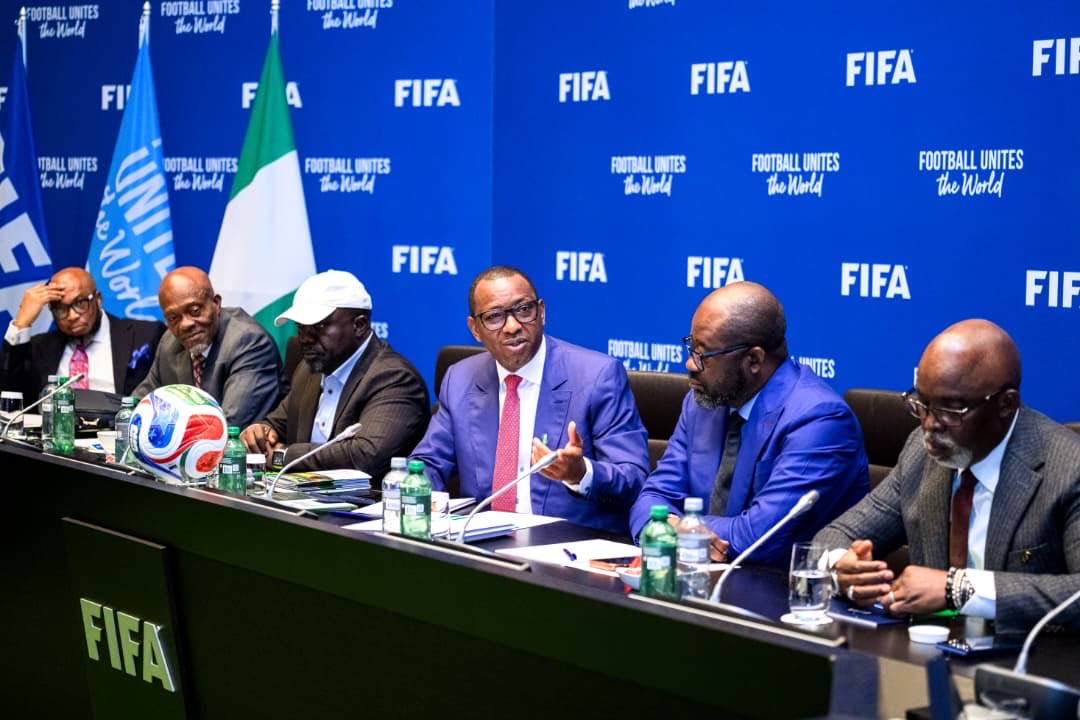
FIFA’s decision to appoint a Normalisation Committee to manage the affairs of the Nigeria Football Federation (NFF) has opened a new chapter in the country’s football administration, with previous interventions in other African nations providing useful lessons for the task ahead.
The committee has been given a May 31, 2027 deadline to stabilise the federation’s administration and organise fresh elections into the NFF Executive Committee. Its work will take place against the background of similar interventions in Ghana, Zimbabwe, Guinea, Côte d’Ivoire, Chad and the Democratic Republic of the Congo.
Ghana’s experience offers one of the most notable examples. FIFA appointed a Normalisation Committee in 2018 following a major governance crisis within the Ghana Football Association. The committee reviewed the association’s statutes and supervised fresh elections, which led to Kurt Okraku becoming president in February 2019.
Zimbabwe also provides an important reference point. After its suspension was lifted in 2023, FIFA appointed a Normalisation Committee to restructure the association, review its statutes and electoral code, and organise fresh elections. The committee was also expected to ensure a transparent financial handover to the incoming leadership.
In Guinea, FIFA intervened in 2021 to address electoral irregularities, review relevant regulations and establish structures capable of supporting credible elections.
Côte d’Ivoire’s experience underlined the need for consistency between a football association’s statutes and its electoral code. Meanwhile, FIFA’s intervention in Chad involved reviewing governance arrangements and clarifying the respective responsibilities of football authorities and government institutions.
The Democratic Republic of the Congo also underwent a normalisation process in 2023. Its committee was charged with overseeing the federation’s day-to-day activities and organising elections under a revised statutory framework.
Pakistan’s experience, however, highlights the risks that can undermine such interventions. FIFA suspended the country’s football federation in 2021 after third parties took control of its headquarters and prevented the appointed Normalisation Committee from carrying out its responsibilities.
For Nigeria, these experiences point to five key areas that will require attention: transparent electoral procedures, necessary statutory reforms, administrative accountability, meaningful engagement with stakeholders and a smooth transfer of authority to the next leadership.
Nevertheless, the NFF committee’s precise responsibilities will be determined by the mandate approved by FIFA and the Confederation of African Football (CAF). The experiences of other countries may offer useful guidance, but Nigeria’s process must also address the specific circumstances that led to the intervention.
Ultimately, the success of the exercise should not be measured solely by the emergence of a new NFF president. It will also depend on whether the process establishes credible electoral standards, strengthens institutional accountability and creates a more stable foundation for the administration of Nigerian football.
Comments
This article has 0 comment(s) , give your comment